The Major Richard Star Act · H.R. 2102
They were injured in combat. Congress still takes back their retirement pay.
Tens of thousands of combat-injured veterans, medically retired before 20 years of service, are denied their full military retired pay because they also receive VA disability compensation. The clean, standalone Major Richard Star Act ends that. A House vote is expected after the election. Help finish it.
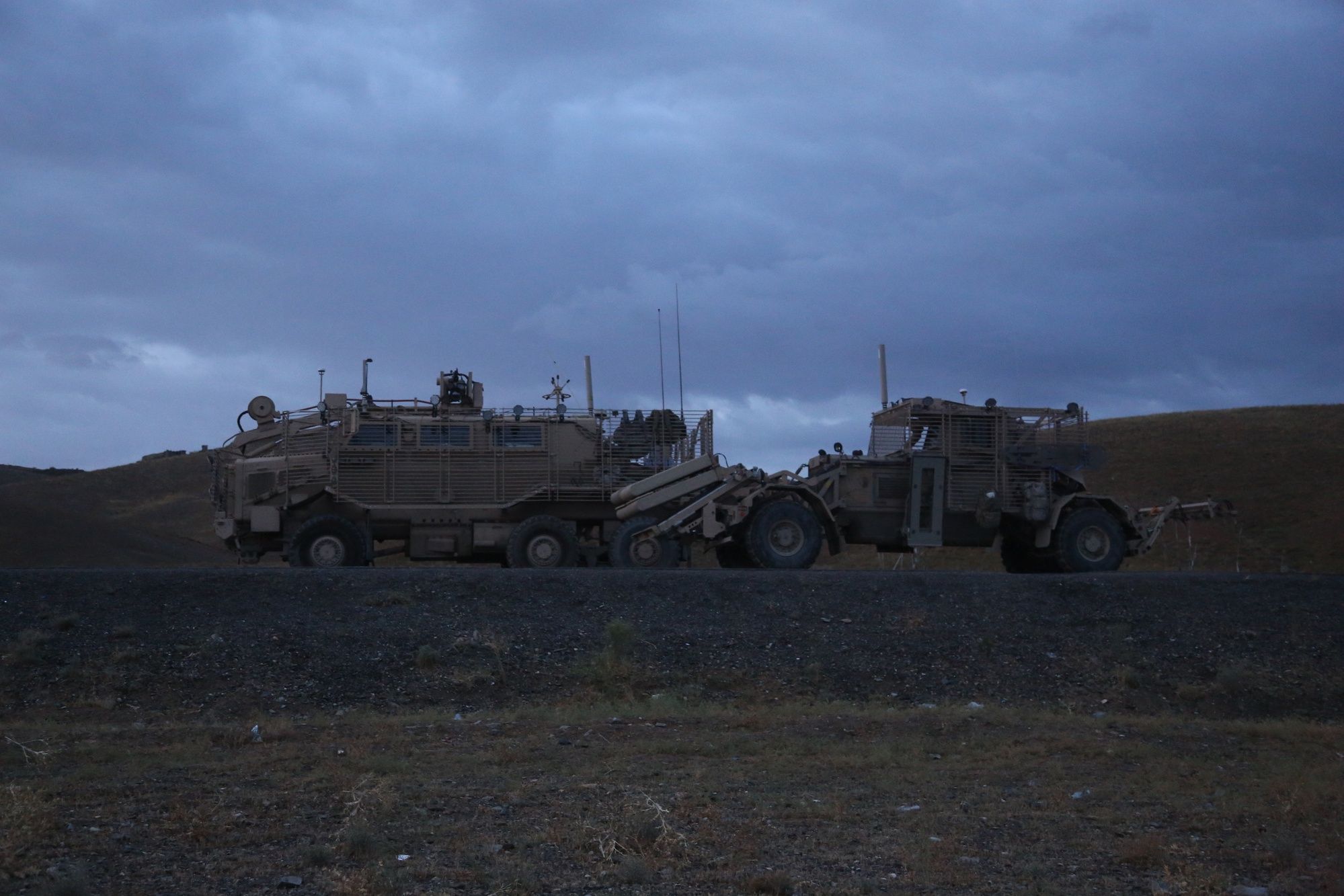
A soldier on patrol at sunset in Sar Hawza District, Paktika province, Afghanistan, 2009. U.S. Army photo by Staff Sgt. Andrew Smith
The Star Act by the numbers
About
54,000–60,000
combat-injured veterans are affected. Estimates vary by source.
Sources: MOAA · WWP (via House VA Committee Democrats) · Star Act Alliance
218
House signatures on the discharge petition, reached Sept. 15, 2026. That lets supporters force a House vote.
Source: House Clerk
Jan. 3, 2027
If Congress hasn’t passed it and sent it to the President by the time this Congress ends, it dies and must be reintroduced.
01 The problem in one minute
Two payments, earned for two different reasons
- Retired pay
- is earned by years of service.
- VA disability compensation
- is for an injury or illness caused by service.
Veterans who serve 20 years and have a 50% or higher VA rating can generally receive both in full. But a service member whose combat injuries forced a medical retirement before 20 years has their retired pay reduced by the amount of their VA compensation.
They were retired early because of their injuries, and that early medical retirement is exactly what triggers the offset.
Illustration comparing two payments. Retired pay is earned by service. VA compensation is for the injury. Today, for a combat-injured veteran medically retired under Chapter 61 with fewer than 20 years of service, part of the retired pay is cut away by the offset. With the clean Star Act, both payments are paid in full.
02 What the clean Star Act does
A narrow fix for the people it was always meant for
- Lets combat-injured veterans medically retired under Chapter 61 with fewer than 20 years receive both their full retired pay and their VA compensation.
- Doesn’t cut any other veteran’s benefits to pay for it.
- Starts the first month after it becomes law. Not retroactive.
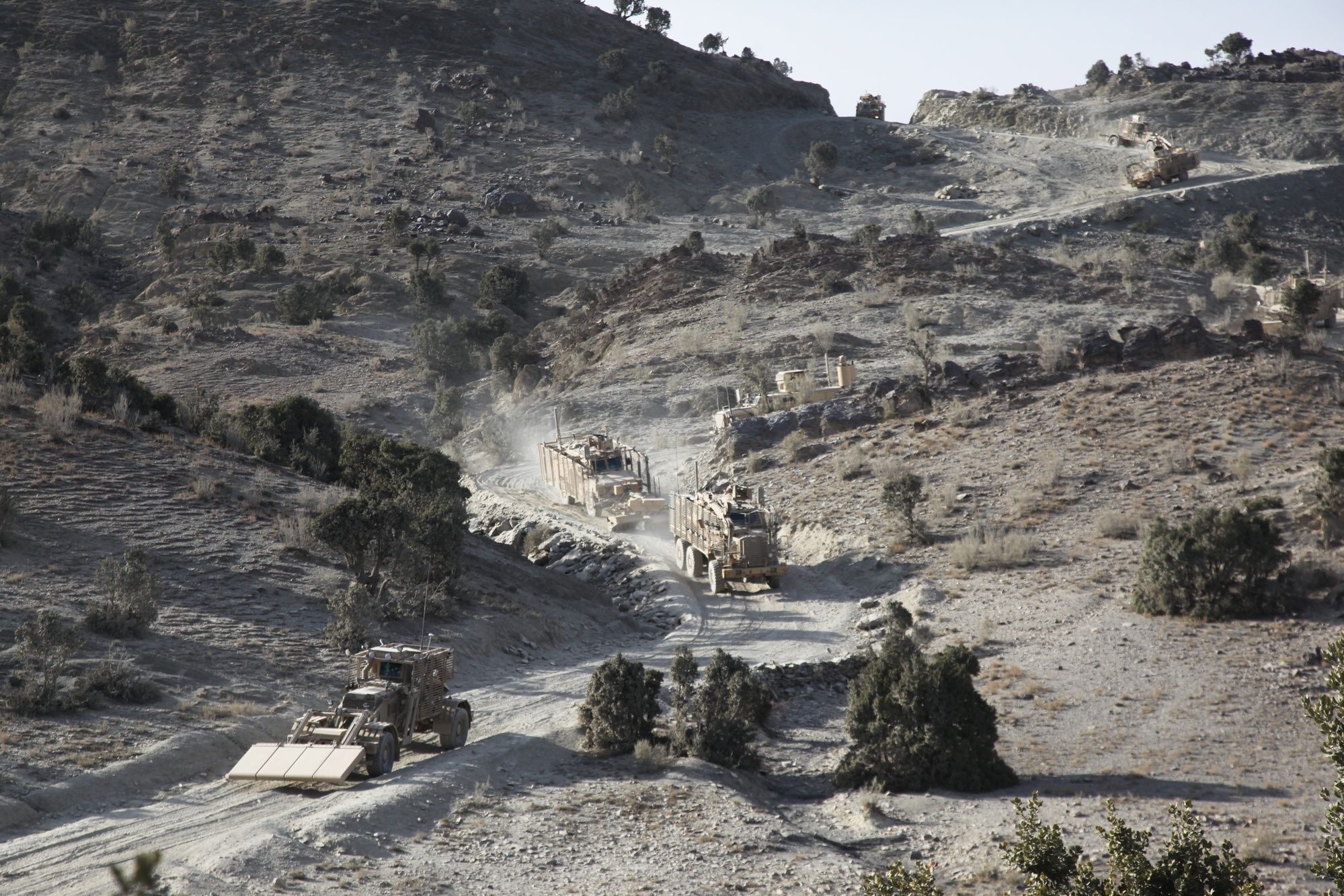
A route-clearance patrol climbs a mountain road near Forward Operating Base Tillman, Paktika province, Afghanistan, 2012. Clearing roads of buried bombs was the work of Maj. Star’s engineer units. U.S. Army photo by Sgt. Kimberly Trumbull
03 Who it’s for
“Combat-related” is broader than you might think
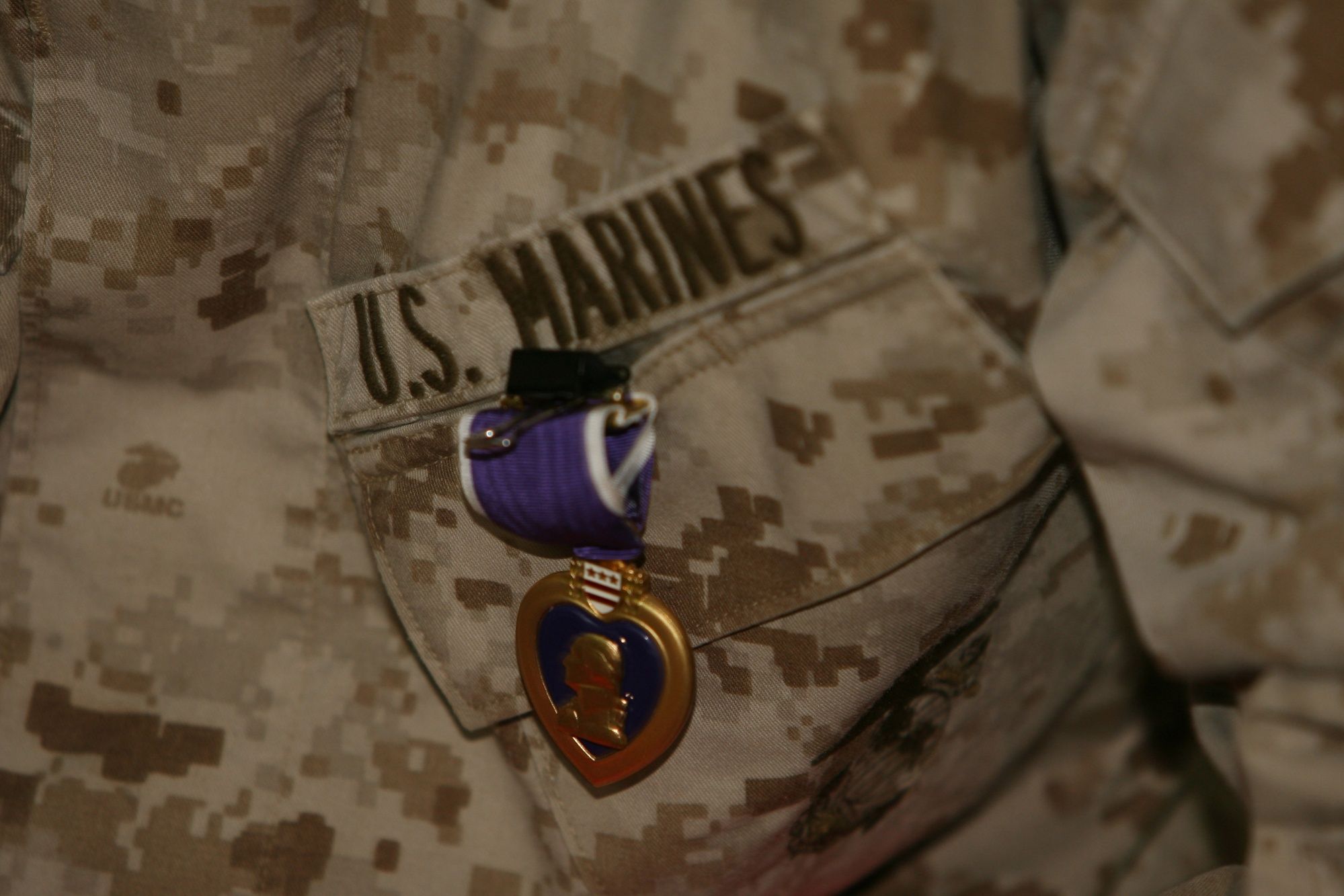
It includes Purple Heart injuries and disabilities caused by armed conflict, hazardous service, conditions simulating war (like training exercises), or an instrumentality of war. Toxic exposures like burn pits can qualify when they’re tied to these conditions.
The clean Star Act covers about 54,000–60,000 combat-injured veterans medically retired under Chapter 61 with fewer than 20 years of service.


04 Where it stands · checked September 27, 2026
Two steps done. Three to go.
- IntroducedMarch 2025(done)
- 218 signaturesSept. 15, 2026(done)
- House voteNextExpected after the House returns in November(next step)
- Senate passageBefore Jan. 3, 2027(not yet)
- Signed into law(not yet)
Next
The discharge motion must wait seven legislative days before a petition signer can call it up. A vote is expected after the House returns in November.
The Star Act has 340 House cosponsors and 80 in the Senate, from both parties.
Cosponsors of the bill as introduced. Sources: Stars and Stripes · Congress.gov

05 What to ask
Get them on record before Election Day.
Every House seat is on the ballot Nov. 3. Candidates are asking for veterans’ votes. Ask them one question:
“Will you vote YES on the clean, standalone Major Richard Star Act when it reaches the floor, with no cuts to other veterans’ benefits?”
The U.S. Capitol at sunset, Washington, D.C., 2024. U.S. Air Force photo by Eric Dietrich
06 Your story
What would your offset cover?
Rent. A car that works. Therapy. A daughter’s braces. Tell us what the money taken from you would pay for, and we’ll help you put it in front of Congress.

This would be their win.
In memory
Maj. Richard Star
U.S. Army Reserve. Combat engineer. Desert Storm, Afghanistan, Iraq. Medically retired short of 20 years with stage 4 lung cancer linked to burn pits. He spent his last months fighting for this bill. He died on February 13, 2021.
He never got to see it pass.